

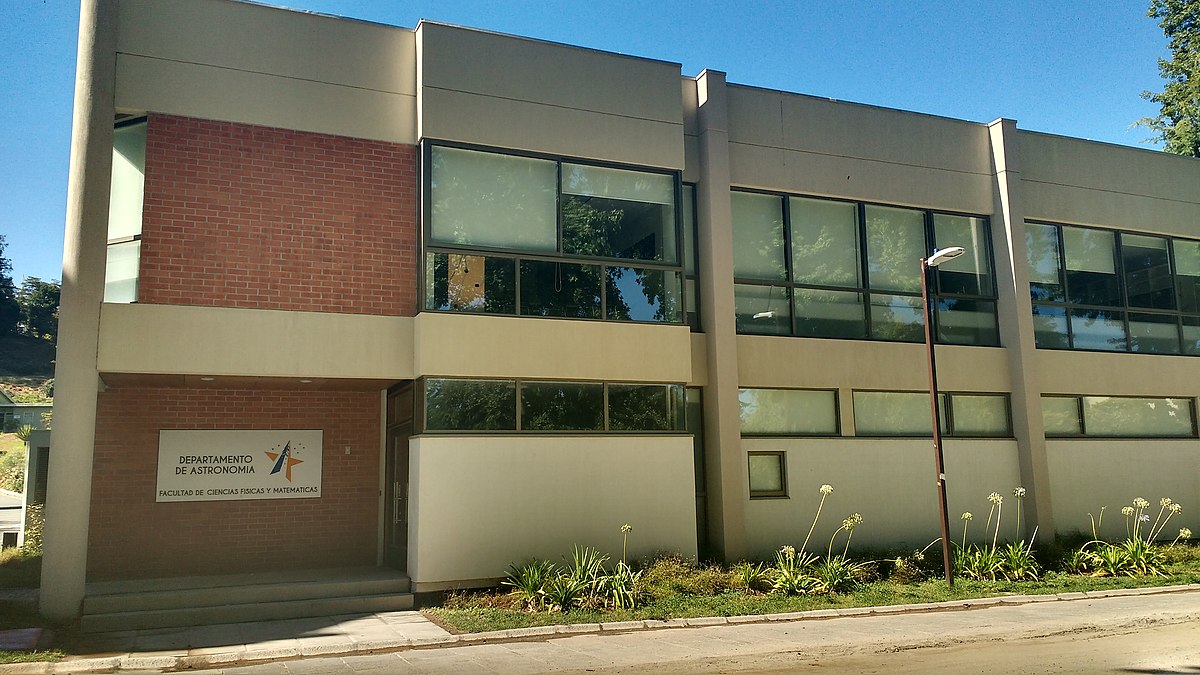
Concepción, 29 August 2019
Astronomer from the Department of Astronomy to lead team associated with the Max Planck Institute for Extraterrestrial Physics in Chile
Dr. Rodrigo Herrera-Camus, an academic at the Department of Astronomy of the University of Concepción, will lead the “Baryonic Cycle in Galaxies” team, in association with the Max Planck Society.
This collaboration will last five years and aims to promote the exchange of knowledge between researchers and students from Chile and Germany through research, internships, meetings and lectures, with a focus on the study of galaxy formation and evolution.
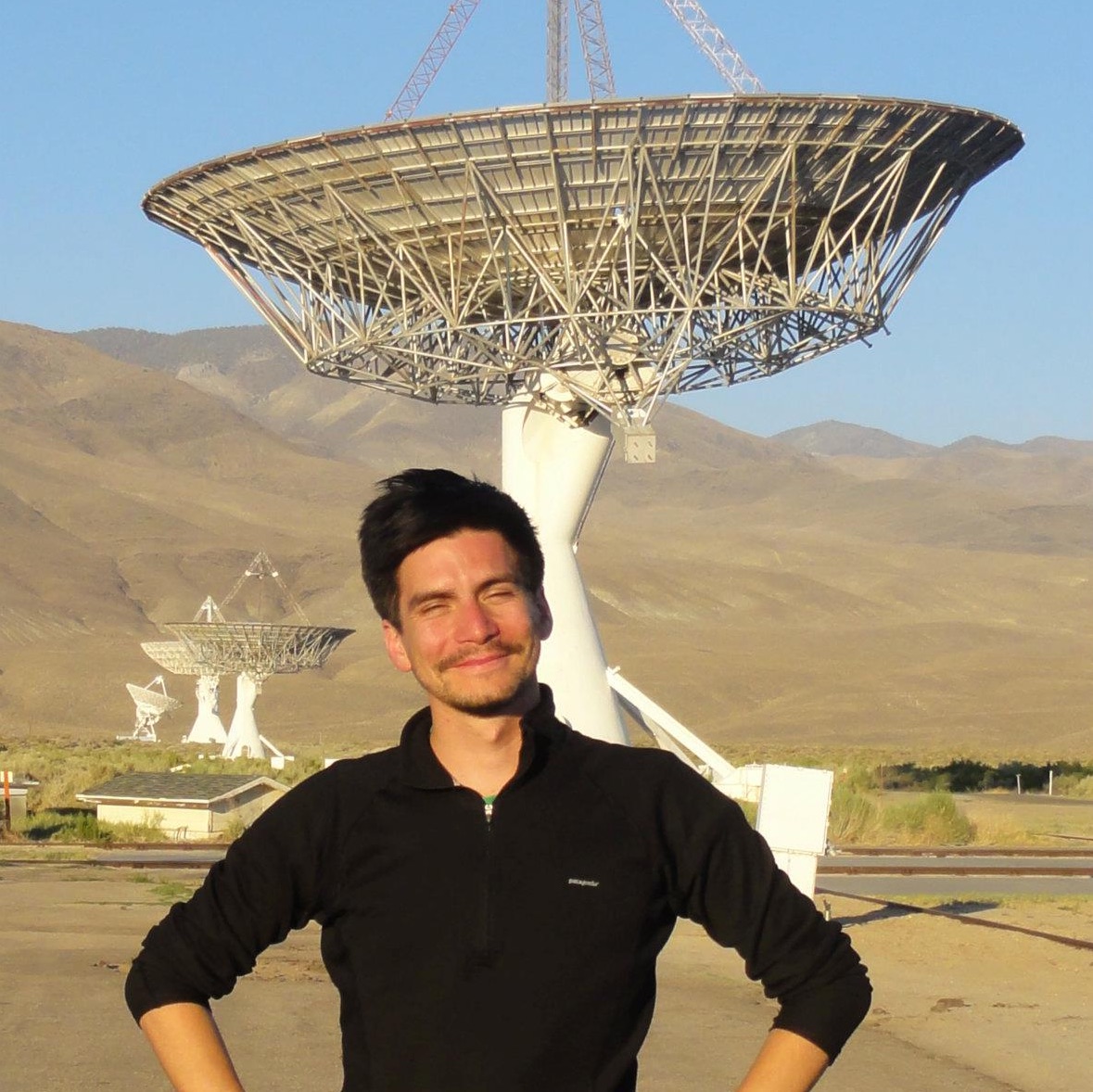
Dr. Rodrigo Herrera-Camus completed his postdoctoral studies at Max Planck Institute for Extraterrestrial Physics in Germany where he joined the Infrared/Submillimetre Group. "There, I worked with the Group Leader , Dr. Reinhard Genzel, we submitted a proposal to the President of the Max Planck Society to create a group in Chile. Our application was reviewed by a panel of experts and then accepted, hence, for the following five years we will focus on strengthening research and the exchange of knowledge in the field of astronomy", explained Dr. Herrera-Camus.
The research will be conducted at ALMA and VLT observatories in Chile and NOEMA in France. It will focus on studying the properties of molecular and ionised gas in galaxies as they evolve. "ALMA is currently revolutionising our understanding of the properties of molecular gas in galaxies, particularly those we can observe when the Universe was less than one or two billion years old. For example, one of the collaborative projects is focused on kinematic properties of a galaxy when the Universe was only one billion years old. This will allow us to learn about its structure - both baryonic and dark matter - and how advanced it is in its formation process", noted Dr. Herrera-Camus.
As mentioned earlier, one of the key goals of this project is to create a collaborative network between the Max Planck Society and the astronomical community in Chile. "On the scientific side, we expect to make significant contributions to the field of galaxy evolution, while on the academic side, our interest lies in promoting the exchange of experiences, knowledge and ideas for future projects between students, postdocs, and academics from both continents through regular visits and remote meetings", explained Dr. Rodrigo Herrera-Camus.
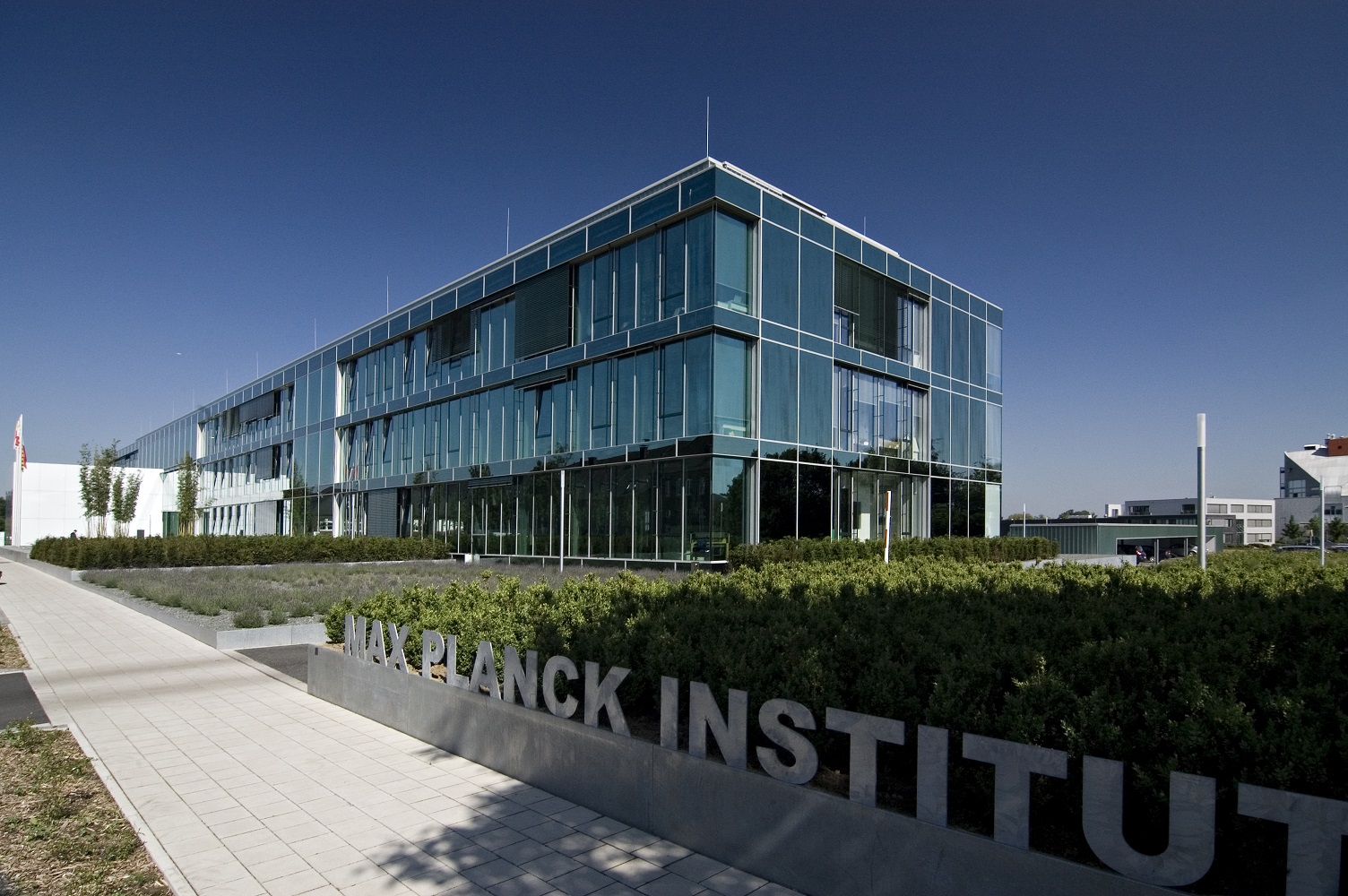
Through this collaboration, it is expected that academics and students from the Department of Astronomy conducting research in galaxy astrophysics are able to join and take full advantage of the exchange and collaboration opportunities offered by this programme. "The goal is that within five years we will have publications co-authored by students and professors from both institutions", concluded Dr. Rodrigo Herrera-Camus.
The Department of Astronomy, part of the Faculty of Physical and Mathematical Sciences at the University of Concepción, plays an important role in the professional training of new scientists in the region. It has highly qualified faculty members and actively engages in outreach activities to the community. Meanwhile, the Max Planck Society operates as an internationalised network of autonomous, interdisciplinary institutions. In Latin America, it has established scientific cooperation projects with Chile, Argentina, Brazil, Colombia, Mexico, Peru, and Uruguay, among others.
Celeste Burgos BadalDepartment of Astronomy Communication